
KC CDFI Coalition Members Awarded $240M in New Markets Tax Credit Allocations
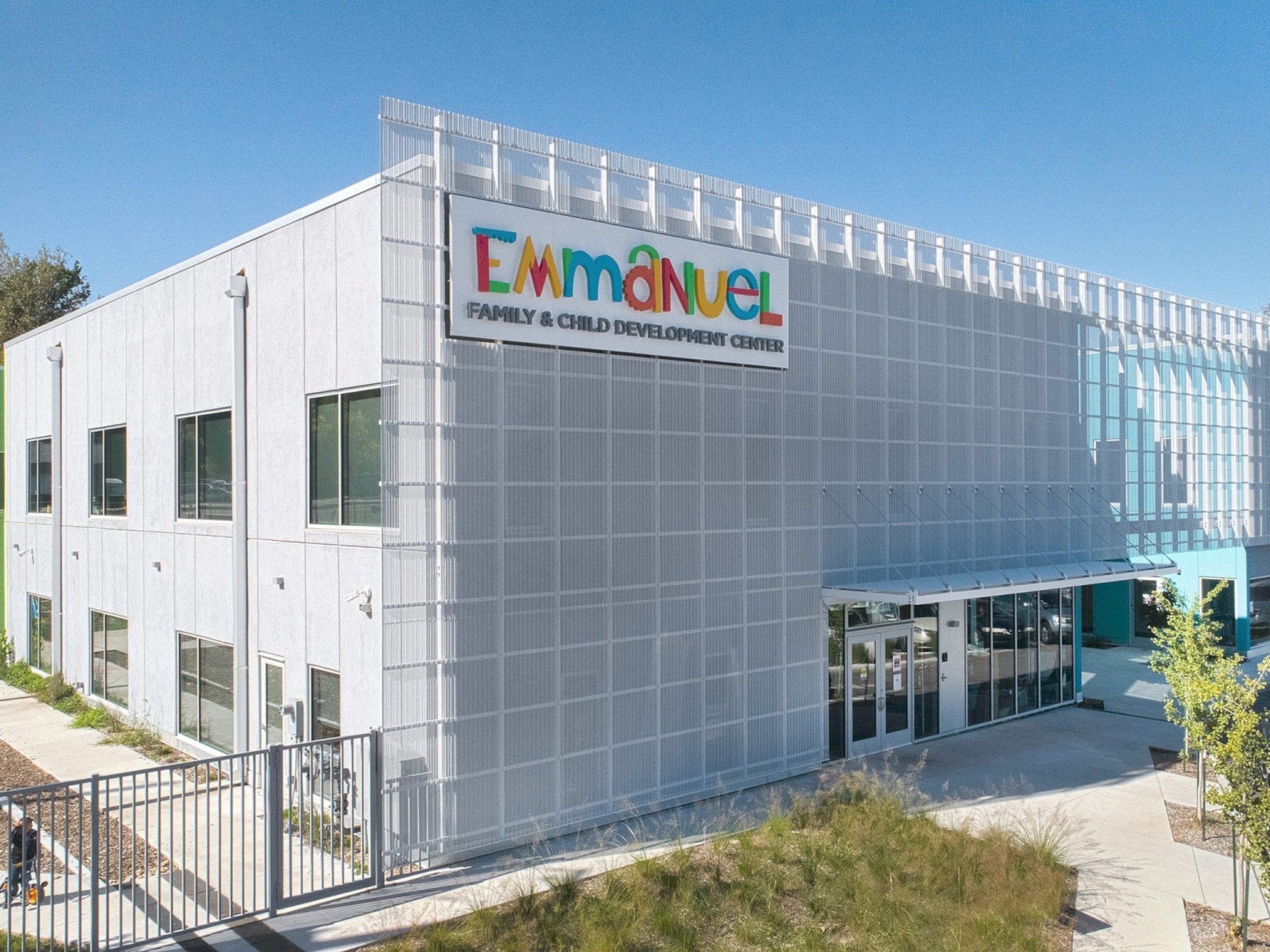
Emmanuel Family and Early Childhood Daycare Center - A collaborative NMTC project between AltCap, Central Bank of Kansas City, and IFF.
Image credit: Taliaferro & Browne
The KC CDFI Coalition is excited to announce that four of its member organizations have been awarded New Markets Tax Credit (NMTC) allocations totaling $240 million.
The recipients — AltCap, Central Bank of Kansas City, IFF, and Justine PETERSEN — will deploy these resources to support large-scale development projects in low-income communities across the region and the United States.
The NMTC program is administered by the U.S. Department of the Treasury’s Community Development Financial Institutions (CDFI) Fund and is designed to attract private investment in economically distressed areas.
NMTC-financed projects must be located in designated low-income census tracts and are expected to generate quality jobs and long-term community benefits.
“Receiving this NMTC allocation allows us to continue investing in projects that create jobs and build stronger local economies,” said Steve Giles, president and CEO at Central Bank of Kansas City. “We’re proud to be part of the KC CDFI Coalition and to work alongside fellow members expanding access to capital where it’s needed most."
The NMTC program helps Community Development Financial Institutions support projects that address critical community needs, including healthcare facilities, affordable housing, childcare centers, and other essential services.
Historically, these types of community projects face additional barriers to capital despite the value they bring to communities and residents.
“New Markets Tax Credits are a powerful tool for closing the capital gap on high-impact investments in communities we serve,” said AltCap CEO Ruben Alonso III. “This allocation allows us to expand access to flexible financing for projects and business investments that create jobs, provide goods and services, anchor neighborhoods, and help communities thrive.”
The CDFI Fund estimates that for every $1 in federal tax credit, the program generates about $8 in private investment, amplifying the program’s economic impact while reducing risk for private investors.
Since its inception in 2000, the NMTC program has deployed $71 billion in capital nationwide, helping create or retain more than 938,000 jobs in low-income communities, according to the CDFI Fund. Originally sunsetting in 2025, the program was permanently extended with an annual allocation authority of $5 billion due to its long history of catalyzing large investments in distressed communities.
In total, Missouri-based organizations received nearly $700 million in NMTC allocation. While no tax credits were awarded to Kansas-based organizations, many entities can and will deploy their allocation in Kansas communities.
Previous member NMTC investments in the Kansas City metro include the Emmanuel Family & Child Development, the pediatric expansion at Samuel U. Rodgers Health Center, the Merc Co+op in Kansas City, Kansas, the mental health center Rediscover, and many more.
Individual 2025 NMTC allocations to KC CDFI Coalition members include:
AltCap: $40 million
Central Bank of Kansas City: $85 million
IFF: $85 million
Justine PETERSEN: $30 million
The Coalition is eager to see the nationwide impact our members will help support with their NMTC allocations. Stay tuned for more updates by following our LinkedIn page and checking our website.
About the KC CDFI Coalition
The KC CDFI Coalition's mission is to raise awareness of Community Development Financial Institutions in the Kansas City metro area and advocate for their support. CDFIs are mission-driven loan funds, banks, credit unions, and venture capital funds that address the lack of access to capital available to American consumers, small businesses, nonprofits, community-oriented facilities, and more. Learn more about the organization and its members here.