
The Recent Increase in Predatory Lending: Trends, MCAs, & Prevention
What is Predatory Lending?
Predatory lending occurs when a lender purposefully takes advantage of a borrower by offering seemingly harmless capital coated in hidden fees, high interest rates, and pressures that ultimately end up benefiting the lender more than the borrower. This corrupt business method can put entrepreneurs in a never-ending cycle of debt, leading to the loss of time, money, and sanity. To make sure you are avoiding these fraudulent practices, check out our Protect Your Business: 5 Warning Signs of Predatory Loans blog post that outlines five suspicious signs to look out for when applying for a loan.
Recent Trends
Recently, predatory lending has been on the rise, targeting underserved entrepreneurs and financially vulnerable communities who are most susceptible to this manipulation. One common form of predatory lending is known as Merchant Cash Advances (MCAs). MCAs are a form of small business loans that charge exceptionally high fees and interest, setting the borrower up for failure. A report on employer firms from the 2025 Small Business Credit Survey reveals that 7% of firms used MCAs on a regular basis, and that 88% of firms who applied for one were at least partially approved.
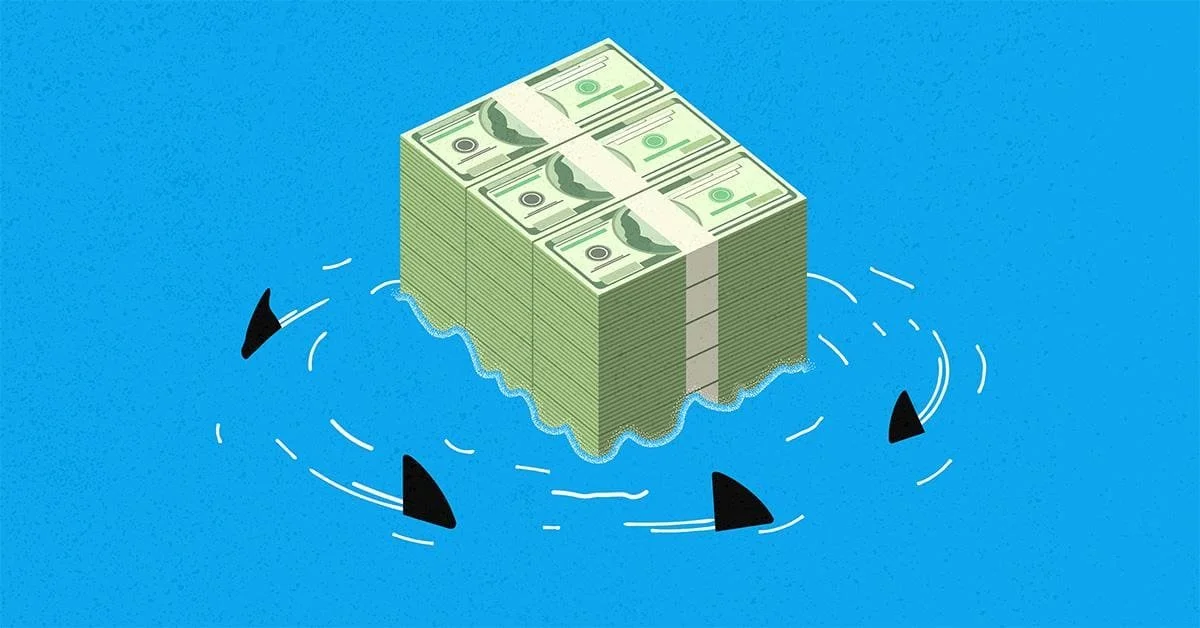
The financial industry has seen a huge increase in these shady payments since the COVID-19 pandemic, due to the devastation it had on small businesses. At the time, business owners were struggling, and predatory lenders took this opportunity to take advantage of them. The loophole behind this system is that MCAs are technically not loans, but purchases buying a stake in the borrower’s future as a company. This means the interest rates on MCAs don’t always have to follow state laws and can skyrocket to an extremely high level. What started with supplying fast cash to local restaurants and shops turned into an ocean of debt, filled with loan sharks hunting for small business owners.
In 2025, owner and inventor Joshua Esnard was projected to have the highest revenue level since its launch. Because of the imposed tariffs placed on imported goods, Esnard ended up paying much more on tariff charges than his products were even worth. Due to the financial struggles, he turned to one thing — MCAs. Esnard described working with MCAs as “a zombie attack”, calling nonstop to “give you money in 24 hours with, like, a crazy fee”. To make matters worse, he details his attempt trying to get help from the Small Business Administration with no luck. This personal account is only one of the many negative experiences individuals have encountered when choosing to borrow from MCAs.
Putting a Stop to Predatory Lending
CDFIs across the nation are joining forces to help spread awareness and resources regarding predatory lending. Organizations such as the Responsible Business Lending Coalition and CAMEO Network are on a mission to educate and protect small businesses before it’s too late. On a federal scale, the U.S. Small Business Administration even described MCAs as “extortionists” that lead small businesses to have a “very high fail rate” in April of 2025. Along with this, the “Predatory Lending Elimination Act” was introduced in February of 2026 by Senator Jack Reed of Rhode Island. This act, if passed, would provide all Americans with the same safety against predatory lending and high-interest loans that currently only applies to active military members and their families.
The KC CDFI Coalition is taking action to stand with the small businesses who need us. We are now partnering with the Federal Reserve Bank of San Francisco to assist in researching how to combat the rise of predatory lending. Additionally, we have proudly endorsed the Small Business Borrowers’ Bill of Rights to protect entrepreneurs from predatory lending.
Have you been contacted by a predatory lender? Do not engage, document everything, and report them to the Consumer Financial Protection Bureau.